When people begin collecting teddy bears, they often focus first on appearance. A charming face, a nostalgic style, or a beautifully designed bear can immediately capture attention. As collectors gain experience, however, they notice something more important behind the scenes. The materials used to create a teddy bear can reveal valuable clues about its age, quality, and origin.
For serious collectors, understanding teddy bear fabrics is an important part of learning about the hobby. Different materials have been used throughout the history of teddy bear manufacturing, and each one tells a story about the era in which the bear was made. At Gigi’s Dolls & Sherry’s Teddy Bears, we often help collectors explore these details so they can better appreciate the craftsmanship behind their favorite bears.
Why Teddy Bear Materials Matter
The fabric covering a teddy bear affects more than just how it looks. Materials influence how a bear feels, how well it holds up over time, and how collectible it may be. Early teddy bears were created using natural fibers and traditional techniques that reflected the materials available during that time.
As manufacturing evolved, new fabrics were introduced, and teddy bear makers began experimenting with different textures and finishes. These changes are part of what helps collectors identify whether a bear is antique, vintage, or more modern.
For collectors, recognizing the difference between these materials can make it easier to understand the quality and history of a teddy bear.
Mohair and Its Role in Early Teddy Bears
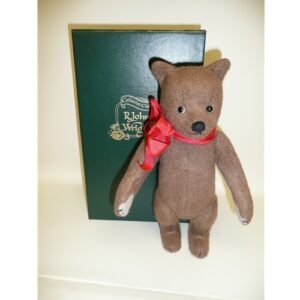
Mohair is one of the most famous materials used in teddy bear production. It comes from the hair of the Angora goat and has been used for over a century in the creation of classic teddy bears. Many of the earliest and most desirable antique bears were covered in mohair.
Collectors appreciate mohair for its soft texture and slightly shiny appearance. The fibers create a natural look that gives antique bears a distinctive character. Over time, mohair can show gentle signs of wear, such as thinning in areas that were frequently handled. Rather than being seen as damage, this aging often adds authenticity and charm.
Many early manufacturers chose mohair because it was durable yet elegant. When combined with traditional stuffing materials and hand finished details, mohair helped create teddy bears that have lasted for generations.
Plush Fabrics and the Growth of Teddy Bear Popularity
As teddy bears became more popular during the twentieth century, manufacturers began using plush fabrics more frequently. Plush is typically made from synthetic fibers, which allows for a wide range of colors and textures.
This type of fabric made teddy bears more affordable and accessible to families. Plush fabrics are generally soft, durable, and easy to maintain. Because of these qualities, they remain widely used in both vintage and modern teddy bear production.
Collectors may encounter plush bears from well-known manufacturers as well as contemporary artist designs. While the material is different from mohair, plush bears can still be highly collectible, especially when they are associated with limited editions or respected makers.
Specialty Materials Used by Artist Bear Makers
Some teddy bear artists enjoy working with materials that create a unique appearance or texture. Alpaca fibers, for example, are known for their softness and luxurious feel. Bears made with alpaca fabric often have a distinctive look that appeals to collectors who appreciate handcrafted artistry.
Artist bears may also feature unusual fabrics, specialty dyes, or creative finishing techniques. Because these bears are often produced in small numbers, the materials used in their construction can make them particularly special.
Collectors who enjoy modern teddy bear art often appreciate the individuality that these materials provide.
How Collectors Identify Original Fabrics
When evaluating antique or vintage teddy bears, collectors often examine the fabric closely to determine whether it is original. The texture, length of the fibers, and backing material can provide helpful clues.
Natural wear patterns may appear on older bears. Slight fading, thinning areas, or variations in color are often expected after many decades. These signs can support the authenticity of a piece when they appear consistent with age.
In some cases, bears may have been repaired or recovered with new fabric. While restoration can improve appearance, many collectors prefer bears that still retain their original materials whenever possible.
At Gigi’s Dolls & Sherry’s Teddy Bears, we help collectors understand these details so they can make informed choices when purchasing or caring for their bears.
Caring for Bears Based on Their Materials
Different fabrics require different approaches when it comes to preservation. Mohair bears should be protected from excessive sunlight and moisture, since natural fibers can weaken over time if exposed to harsh conditions.
Plush fabrics are often more resilient, but they still benefit from careful storage and gentle handling. Keeping bears in a clean environment and away from dust helps maintain their appearance.
Collectors who display their bears often choose cabinets or shelves where the bears can be admired while remaining protected from environmental damage.
Appreciating the Craft Behind Teddy Bear Design
Learning about teddy bear materials allows collectors to see beyond the surface of their collection. Every fabric, fiber, and texture reflects the choices made by the maker during the design process.
From the classic mohair used in early twentieth century bears to the plush fabrics found in many modern designs, these materials represent different chapters in the history of teddy bear craftsmanship.
At Gigi’s Dolls & Sherry’s Teddy Bears, we enjoy helping collectors explore these details and discover what makes each bear unique. Understanding the materials used in teddy bear construction not only helps collectors evaluate their pieces but also deepens their appreciation for a collectible that has brought comfort and joy to people for more than a century. Contact Gigi’s Dolls at 773-594-1540 today or visit us online for more information!